Comparing Professional vs At-Home Acne Treatment Facials
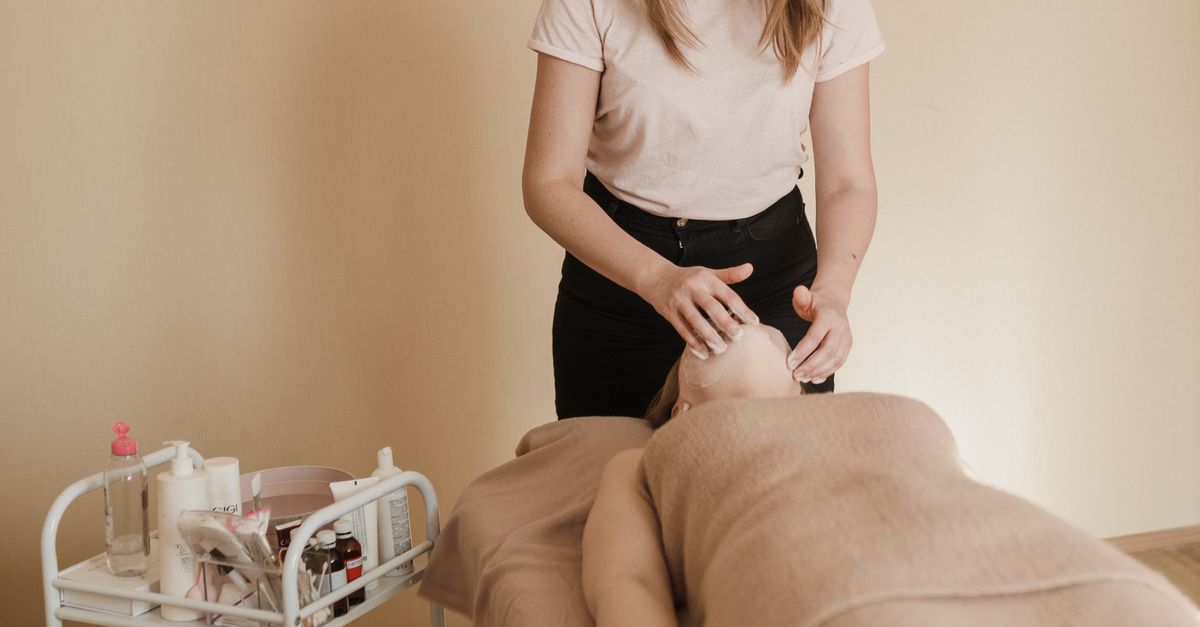
Table Of Contents
Benefits of At-Home Facials
At-home facials offer a convenient way for individuals to manage their skin without the need for appointments or travel. This flexibility allows users to customise treatments based on their skin needs and schedules. With a variety of products readily available, incorporating an at-home facial into a routine can be easily achieved, ensuring consistent care. This accessibility appeals to those who may find it challenging to visit a professional regularly due to time or cost constraints.
Another significant advantage is the privacy and comfort of one's own home. Users can create a spa-like atmosphere, set their own pace, and enjoy the experience without feeling rushed. The personal touch allows individuals to experiment with different products and techniques, fostering a deeper understanding of their skin. This empowerment can enhance overall satisfaction and promote a more engaged approach to skincare.
Convenience and Flexibility for Users
At-home facials offer a level of convenience that appeals to many individuals. They can be performed at any time, allowing users to fit treatment into their personal schedules without the need to adhere to salon hours. The ability to relax in the comfort of one's home, with minimal time constraints, makes it an attractive option for those with busy lifestyles.
Additionally, at-home treatments often require less financial commitment compared to professional sessions. Users can invest in quality products for a fraction of the cost of regular visits to a clinic. This affordability paired with the flexibility of treating skin issues as needed encourages more individuals to maintain an ongoing skincare routine tailored to their specific requirements.
Comparing Effectiveness
At-home acne treatment facials often focus on the use of gentle, nourishing ingredients suitable for regular application. Many products feature natural components aimed at reducing inflammation and promoting skin healing. Users can tailor these treatments to their specific skin type and concerns, potentially seeing gradual improvements over time. The consistency of using these products can also contribute to better skin health, although results may take longer to manifest compared to professional treatments.
In contrast, professional facials typically offer a more intensive approach. These treatments often utilise stronger active ingredients and advanced techniques such as chemical peels or extractions, which may lead to faster and more noticeable results. Trained professionals can assess individual skin conditions accurately and customise treatments on the spot, which may enhance the overall effectiveness. The immediate results from such interventions can be appealing for those seeking quick solutions to acne issues.
Which Option Yields Better Results?
When evaluating the effectiveness of acne treatments, professional facials often come out on top due to the advanced techniques and products used by trained estheticians. These experts can tailor treatments to an individual's specific skin type and the severity of their acne. They typically employ stronger chemical peels, professional-grade extracts, and targeted therapies that may not be available for at-home use. The immediate results from a professional treatment often include clearer skin and reduced inflammation, which can be motivating for those struggling with persistent breakouts.
On the other hand, at-home facial treatments provide a more consistent and accessible approach to managing acne. Users can incorporate these treatments into their skincare routines at their convenience. While the results may take longer to manifest, regular use of effective over-the-counter products can lead to improvement in skin texture and clarity over time. Commitment to a thorough at-home regime can yield significant results, albeit with varying degrees of effectiveness when compared to in-clinic treatments. Each individual's experience will differ based on skin type, commitment level, and the specific products used.
Safety Considerations for Acne Treatments
Acne treatments come with varying levels of risk, depending on the method chosen. At-home treatments sometimes involve the use of over-the-counter products that may not suit every skin type. Misapplication or excessive use of certain ingredients might lead to irritation or allergic reactions. Users should carefully read product labels and perform patch tests to minimise adverse effects. While convenience is a significant advantage, it is essential for individuals to understand that some at-home solutions may not deliver the promised results without professional guidance.
Professional treatments are typically safer due to their formulation and application by trained experts. Dermatologists and licensed estheticians can tailor treatments to individual skin needs, reducing the likelihood of complications. Even so, risks such as infection from improper procedures or reactions to professional-grade products still exist. Clients should communicate openly with their practitioners about their medical history and any concerns prior to receiving treatments. This dialogue ensures that the chosen approach aligns with their unique skin care needs while prioritising overall safety.
Risks Associated with Both Approaches
Both professional and at-home acne treatments carry inherent risks that users should consider. In a salon or clinic, treatments can sometimes cause temporary redness, irritation, or allergic reactions, particularly if the products used are not tailored to individual skin sensitivities. Additionally, some procedures may involve stronger acids or equipment that, if not utilised properly, can lead to skin damage or exacerbate existing conditions.
At-home facials can also present dangers, such as over-exfoliation or misuse of active ingredients, which may result in dehydration or increased sensitivity. Improper sanitation of tools and products can introduce bacteria, potentially leading to infections. Users may struggle to identify the right products for their skin type, increasing the likelihood of adverse reactions. Understanding these risks is crucial for anyone considering either option for acne treatment.
FAQS
What are the main benefits of at-home facials for acne treatment?
At-home facials offer convenience and flexibility, allowing users to fit skincare into their schedules without the need for appointments. They can be more cost-effective and allow for personalised routines tailored to individual skin types.
How do professional acne treatment facials differ from at-home options?
Professional facials typically involve advanced techniques and products that are not available for home use. They often include deeper cleansing, extractions, and the application of specialised serums, which can provide more immediate and noticeable results.
Are at-home acne treatments effective?
Yes, at-home acne treatments can be effective, especially when using high-quality products and following a consistent skincare routine. However, results may take longer to achieve compared to professional treatments.
What safety considerations should I keep in mind for acne treatments?
Always patch test new products before use to avoid adverse reactions. For professional treatments, ensure the practitioner is qualified and follows proper hygiene protocols. At-home treatments should be used according to the instructions to minimise risks.
Can I combine professional and at-home acne treatments?
Absolutely! Many people find a combination of both approaches works best. Professional facials can provide intensive treatment, while at-home routines can help maintain results and manage acne on a daily basis.
Related Links
The Role of Extractions in Acne Treatment FacialsUnderstanding the Skin Types Best Suited for Acne Treatment Facials
Benefits of Regular Acne Treatment Facials for Teenagers
What to Expect During Your First Acne Treatment Facial
Post-Facial Care Tips for Acne-Prone Skin
The Importance of Customisation in Acne Treatment Facials
How Often Should You Get an Acne Treatment Facial?
Exploring the Latest Techniques in Acne Treatment Facials